Baby Teeth: Everything A Parent Needs To Know
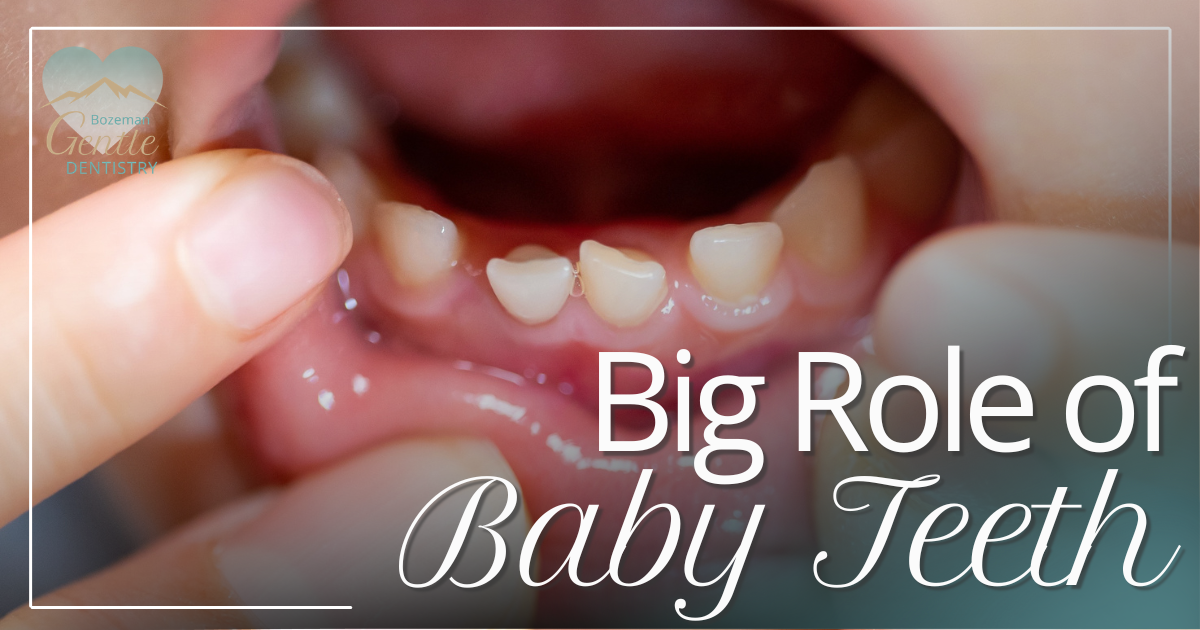
It is easy to think of baby teeth as temporary. After all, they fall out eventually. But those first little teeth play a much bigger role than many parents realize. Baby teeth help children chew properly, speak clearly, and smile confidently. They also provide space for permanent teeth to erupt correctly. Taking care of them from the start builds habits and protection that last for years.
When Do Baby Teeth Come In?
Most babies get their first tooth around six months of age, though timing can vary. The lower front teeth are usually first, followed by the upper front teeth.
By age three, most children have a full set of 20 baby teeth. Teething can cause:
- mild fussiness
- drooling
- a desire to chew on objects.
Even before the first tooth appears, gently wiping your baby’s gums with a soft, damp cloth helps keep the mouth clean.
Do Baby Teeth Really Need Brushing?
Yes, absolutely. As soon as that first tooth erupts, brushing should begin. Use a small, soft-bristle toothbrush and a smear of fluoride toothpaste about the size of a grain of rice. Once your child turns three, you can increase the amount to a pea-sized dab. Baby teeth can develop cavities just like adult teeth. Early childhood cavities can result in pain, infection, and difficulty eating. Consistent twice-daily brushing makes a big difference.
When Should a Child See the Dentist?
A child’s first dental visit should happen by their first birthday or within six months of the first tooth appearing. Early visits are usually brief and favorable. They focus on helping your child feel comfortable while checking development.
These appointments also give parents a chance to ask questions about
- thumb-sucking
- pacifier use
- teething
- proper brushing techniques
Creating a positive dental experience early builds confidence that carries into adulthood.
What Causes Cavities in Baby Teeth?
Sugary drinks, frequent snacking, and falling asleep with a bottle of milk or juice are common contributors. When sugar sits on teeth for long periods, bacteria produce acids that weaken tooth enamel.
Offering water between meals and avoiding bedtime bottles with anything other than water can reduce the risk. Encouraging healthy snacks like fruits, vegetables, cheese, and yogurt also supports strong teeth. Remember, cavities in baby teeth can affect the development of permanent teeth underneath.
When Do Baby Teeth Fall Out?
Most children begin losing baby teeth around age six. The process continues gradually until about age twelve. It is important to keep baby teeth healthy until they naturally fall out. Losing them too early due to decay can result in spacing problems that may require orthodontic treatment later.
Building Healthy Habits Early
Baby teeth may be temporary, but the habits built around caring for them are not. Teaching your child to brush daily, eat balanced meals, and feel comfortable at dental visits sets the foundation for lifelong oral health. If you have any more questions, call to schedule your appointment at Bozeman Gentle Dentistry, located in Bozeman, MT.
Healthy baby teeth support healthy adult teeth. And it all starts with those very first smiles.